
Luxury Interiors Transforming the Driving Experience
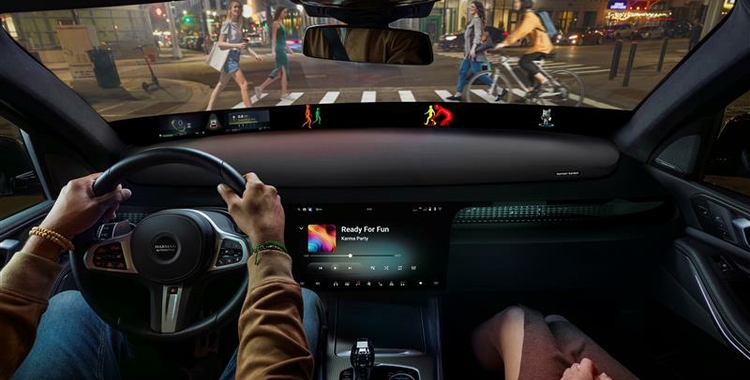
Modern vehicles are no longer judged solely by horsepower or exterior styling. Today, the interior environment plays a crucial role in shaping the overall driving experience. Luxury interiors are transforming vehicles into spaces that blend comfort, technology, and craftsmanship, making every journey feel refined and immersive.
Automakers are investing heavily in premium materials, ergonomic designs, and advanced technology to elevate how drivers and passengers interact with their vehicles. The result is a new generation of automobiles where the cabin feels more like a sophisticated living space than a traditional car interior.
The Evolution of Luxury Car Interiors
In earlier decades, luxury in vehicles was defined by basic features such as leather seats, wooden trims, and improved sound insulation. While these elements still exist, modern automotive interiors have evolved dramatically.
Today’s premium cabins combine cutting-edge digital technology with handcrafted details, creating an environment that balances functionality with elegance.
Key developments include:
- Fully digital instrument clusters
- High-resolution infotainment systems
- Ambient lighting with customizable colors
- Premium upholstery and handcrafted finishes
- Advanced climate and comfort systems
These upgrades ensure that drivers experience both technological sophistication and sensory comfort during every drive.
Premium Materials Redefining Cabin Comfort
Luxury vehicles prioritize high-quality materials that elevate both aesthetics and comfort.
Some commonly used premium materials include:
- Nappa leather: Known for its softness and durability
- Alcantara: A suede-like fabric used for sport-luxury interiors
- Real wood veneers: Often handcrafted and polished
- Brushed aluminum or metal accents: Providing a modern aesthetic
- Carbon fiber elements: Popular in performance-luxury models
These materials are carefully selected to provide a tactile and visual sense of refinement, enhancing the overall driving experience.
Advanced Technology Enhancing the Interior Experience
Technology plays a central role in shaping modern luxury interiors. Automakers are integrating intelligent systems that make driving safer, more intuitive, and highly personalized.
Key technological features include:
Digital Cockpits
Traditional gauges are being replaced by fully digital instrument clusters that provide customizable displays and real-time driving information.
Touchscreen Infotainment Systems
Large high-resolution screens control navigation, entertainment, vehicle settings, and connectivity with smartphones.
Voice and Gesture Controls
Drivers can now interact with their vehicles using voice commands or simple hand gestures, reducing distractions while driving.
Immersive Sound Systems
Luxury vehicles feature premium audio systems with strategically placed speakers that deliver concert-level sound quality.
Ambient Lighting and Mood Personalization
One of the most striking innovations in luxury interiors is ambient lighting. Adjustable LED lighting systems allow drivers to select different colors and brightness levels to suit their mood or time of day.
Benefits of ambient lighting include:
- Creating a relaxing cabin atmosphere
- Improving nighttime visibility
- Enhancing the visual appeal of interior design
- Providing personalized driving experiences
Some luxury models even synchronize interior lighting with music or driving modes, creating a more immersive environment.
Comfort and Ergonomics for Long Drives
Luxury interiors prioritize driver and passenger comfort, especially during extended journeys.
Features designed for superior comfort include:
- Multi-adjustable seats with memory functions
- Heated, ventilated, and massaging seats
- Advanced climate control systems
- Noise-reducing cabin insulation
- Panoramic sunroofs for natural lighting
These elements help reduce fatigue and make long drives far more enjoyable and relaxing.
Personalization and Customization
Luxury car buyers increasingly expect customizable interior options that reflect their personal tastes.
Manufacturers now offer:
- Custom color combinations for upholstery
- Unique stitching patterns
- Personalized trim materials
- Tailored lighting themes
This level of customization transforms the vehicle interior into a personalized environment tailored to the owner’s lifestyle.
The Role of Sustainability in Luxury Interiors
Sustainability is becoming an important aspect of premium automotive design. Many manufacturers are introducing eco-friendly materials without compromising luxury.
Examples include:
- Recycled fabrics and plastics
- Sustainable leather alternatives
- Natural fibers and responsibly sourced wood
These innovations allow luxury vehicles to deliver both environmental responsibility and premium comfort.
The Future of Luxury Automotive Interiors
The next generation of luxury interiors is expected to integrate artificial intelligence, autonomous driving features, and even more immersive digital environments.
Future trends may include:
- Augmented reality displays on windshields
- Adaptive seating that adjusts automatically for comfort
- Intelligent lighting responding to driver mood
- Fully integrated smart-home connectivity
As vehicles become smarter and more connected, the interior will evolve into a multifunctional space for work, relaxation, and entertainment.
Conclusion
Luxury interiors are transforming how people experience driving. By combining premium materials, intelligent technology, ergonomic comfort, and personalization, modern vehicles offer far more than transportation.
The cabin has become a refined environment where innovation meets craftsmanship, redefining expectations for both drivers and passengers. As automotive technology continues to evolve, luxury interiors will play an even greater role in shaping the future of mobility.
Frequently Asked Questions (FAQs)
1. What defines a luxury car interior?
A luxury car interior is characterized by premium materials, advanced technology, superior comfort features, and refined craftsmanship designed to enhance the driving and passenger experience.
2. Why are digital cockpits becoming common in luxury vehicles?
Digital cockpits allow drivers to customize information displays, improve visibility, and integrate navigation, safety alerts, and entertainment systems seamlessly.
3. How does ambient lighting improve the driving experience?
Ambient lighting enhances the visual atmosphere of the cabin, improves nighttime visibility, and allows drivers to personalize the interior environment.
4. What materials are commonly used in luxury vehicle interiors?
Luxury interiors often use Nappa leather, Alcantara, natural wood veneers, brushed aluminum, and carbon fiber for both aesthetics and durability.
5. Are sustainable materials used in luxury cars?
Yes, many manufacturers now incorporate recycled materials, vegan leather, and responsibly sourced wood to make luxury vehicles more environmentally friendly.
6. What role does technology play in modern luxury interiors?
Technology enhances connectivity, entertainment, safety, and personalization, creating a more intuitive and immersive driving environment.
7. Will autonomous vehicles change luxury interiors?
Yes, autonomous driving technology may transform car interiors into relaxation or productivity spaces, allowing passengers to work, socialize, or rest during travel.


